
The Route: What to Expect
Start at the bridge, finish at the mill. Simple route, memorable views.
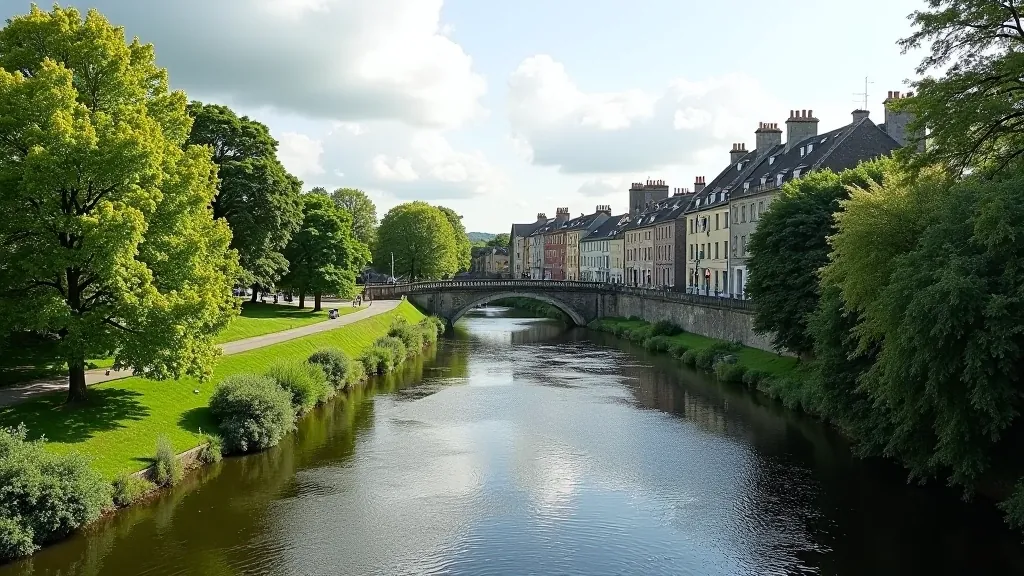
The walk begins at the main bridge in the town centre. You'll find ample parking and easy access. From there, you'll follow the river south, staying on the bank path. It's marked clearly enough — you won't get lost.
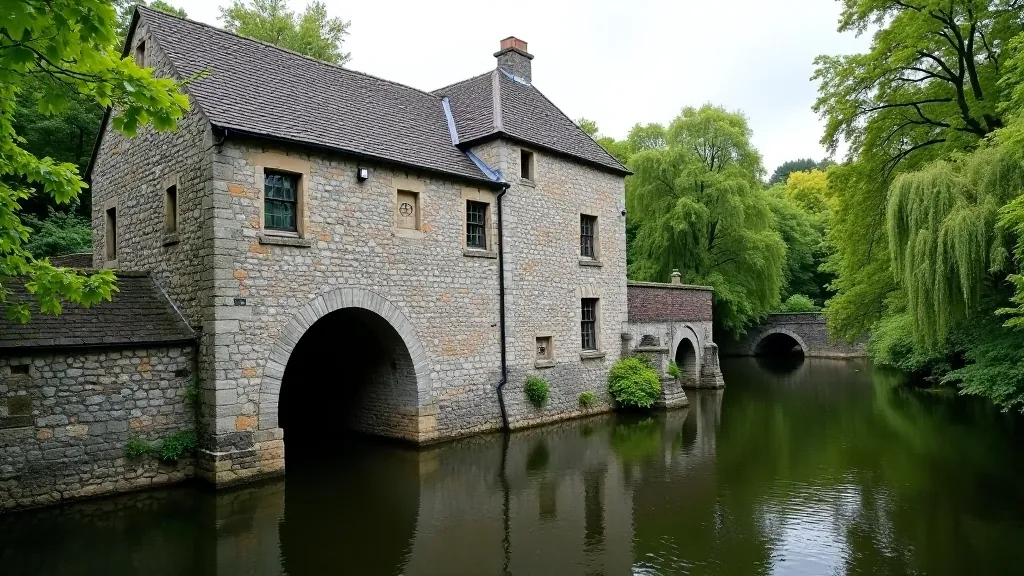
The first section takes you past the old mill buildings. These aren't museum pieces — they're still standing, weathered but solid. That's where the Nore powered textile production for centuries. You'll see the millrace channels carved into the stone. Engineers designed those channels 400 years ago, and they still work.
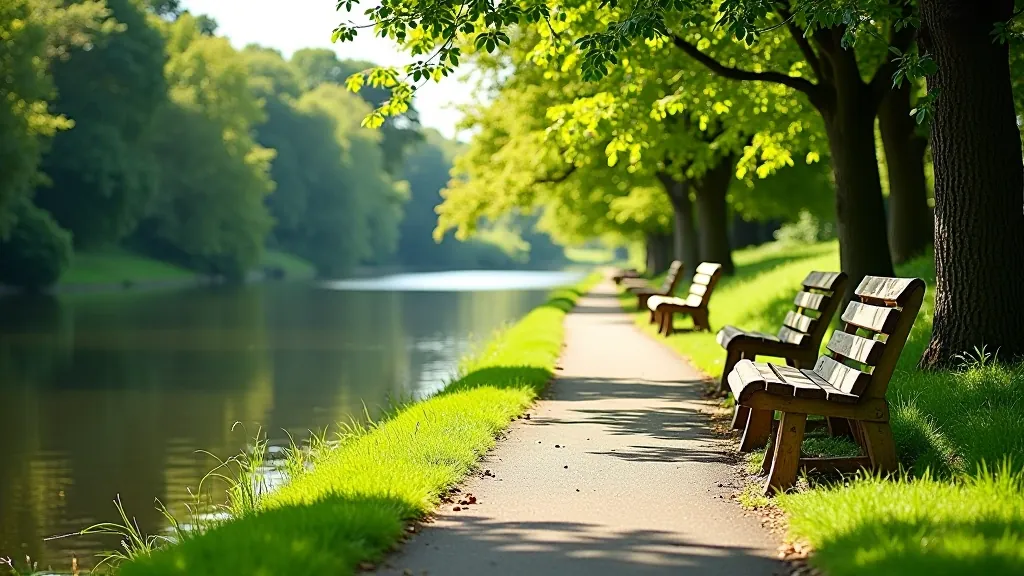
After about 1.2 kilometres, the path widens. The river opens up here, and you'll see why locals call this stretch "The Widows' Walk." Tradition says the women of Kilkenny used to come here to watch for merchant ships returning to port. True or not, it's a peaceful spot with solid benches every 100 metres or so.
Distance, Time & Difficulty
Numbers that matter for planning your day.

The full walk is 2.5 kilometres. That's not arbitrary — it's exactly far enough to feel like a proper outing without being exhausting. Most people take 45 minutes to an hour, but there's no rush. You'll probably spend 90 minutes if you stop at benches like you should.
The terrain is completely flat. Not slightly sloped — genuinely flat. The path is paved for the entire route, and it's wide enough for two people to walk side by side. No rocks, no roots, no surprises. If you've got mobility concerns, this is one of the best walks in Kilkenny.
Difficulty? Easy. We're not being generous with that rating. There's nothing challenging about this route. It's built for people who want to walk and see things, not people testing their fitness.
What You'll Actually See
History, water, and details worth noticing.
Medieval Weirs
Two weirs control the river flow. They're centuries old and still functional. You'll see the water change character at these points — it gets faster, more purposeful.
Fishing Spots
Local anglers work the deeper pools. You'll see them regularly, and they're friendly. The Nore has salmon and brown trout — not trophy fish, but they're there.
Bird Life
Herons, kingfishers, and cormorants use this stretch. If you're patient and quiet at the right spots, you'll see them. Early morning is best — fewer people, more birds.
Norman Fortifications
Stone ruins mark where the Normans built defences. They're subtle — you'll miss them if you're not looking — but they're there, embedded in the landscape.
Best Time to Walk
Seasonal considerations for comfort and visibility.
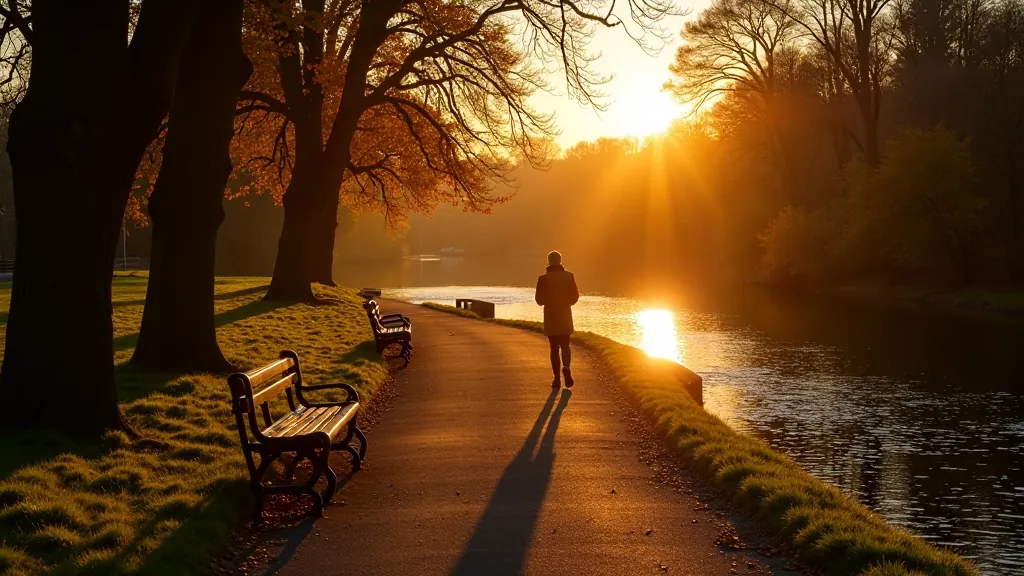
Spring and autumn are perfect. The weather's mild, the light's excellent for photographs, and you won't be dodging crowds. Summer works too, though July and August get busier with tourists. Early morning walks in summer beat the heat and give you better light.
Winter is manageable but not ideal. The path doesn't flood, but it does get slippery. Frost can linger on the shaded sections. If you're going in winter, bring proper footwear and go during midday when the sun's highest.
Rain doesn't stop this walk — the path drains well. But heavy rain makes it less pleasant. You won't see the water clearly if the sky's dark. Plan for dry days if possible.
Walking Safety Notice
This guide is informational. While the Nore Bank Walk is well-maintained and safe for most people, individual fitness levels vary. Always check weather conditions before starting. Wear appropriate footwear and bring water. If you have mobility concerns or health conditions, consult with your doctor before undertaking any walk. The river can be slippery in wet conditions — take care near the water's edge. This route is at your own risk.
Why This Walk Matters
The River Nore Bank Walk isn't famous because it's difficult or dramatic. It's special because it works. You'll walk a genuine route with real history, see things worth seeing, and finish feeling like you've actually been somewhere. That's the walk. No hype, just good design and better views.